谁和伊藤野枝约会过?
Sakae Ōsugi 日期为 伊藤野枝,从 ? 到 ?. 年龄差距为 10 年 0 个月零 4 天.
辻润 日期为 伊藤野枝,从 ? 到 ?. 年龄差距为 10 年 3 个月零 17 天.
伊藤野枝
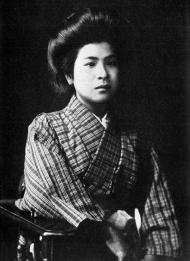
伊藤野枝(1895年1月21日—1923年9月6日)是日本无政府主义者、婦女解放運動家、評論家與作家,出生於日本福岡縣。1923年於關東大地震後的混亂時期,與夫大杉榮及年僅6歲的外甥橘宗一被大日本帝國陸軍甘粕正彦所帶領的憲兵隊所逮捕並殺害後丟棄在古井裡,得年28歲。
阅读全文...Sakae Ōsugi
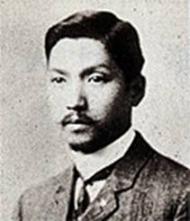
Ōsugi Sakae (japanisch 大杉 栄; * tatsächlich am 17. Januar 1885, nach amtlichen Unterlagen am 1. Mai in Marugame, Kagawa; † 16. September 1923 in Tokio) war der bedeutendste sozialistische, später anarcho-syndikalistische Aktivist, Publizist und Theoretiker der Taishō-Zeit. Er vertrat eine stark anti-autoritäre Ideologie, die die individuelle Freiheit als höchstes Gut sah.
Er wurde am 16. September 1923 in Tokio von Militärpolizisten zusammen mit seiner zweiten Frau Itō Noe und einem Neffen ermordet. Die Bluttat ist als Amakasu-Zwischenfall bekannt.
阅读全文...伊藤野枝
辻润
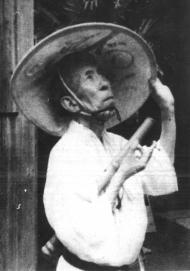
Tsuji Jun (辻 潤, Tsuji Jun; October 4, 1884 – November 24, 1944) was a Japanese author: a poet, essayist, playwright, and translator. He has also been described as a Dadaist, nihilist, Epicurean, shakuhachi musician, actor and bohemian. He translated Max Stirner's The Ego and Its Own and Cesare Lombroso's The Man of Genius into Japanese.
Born in Tōkyō, Tsuji sought escape in literature from a childhood he described as "nothing but destitution, hardship, and a series of traumatizing difficulties". He became interested in the works of Tolstoy, Kōtoku Shūsui's socialist anarchism, and the literature of Oscar Wilde and Voltaire, among many others. Later, in 1920 Tsuji was introduced to Dada and became a self-proclaimed first Dadaist of Japan, a title also claimed by Tsuji's contemporary, Shinkichi Takahashi. Tsuji became a fervent proponent of Stirnerite egoist anarchism, which would become a point of contention between himself and Takahashi. He wrote one of the prologues for famed feminist poet Hayashi Fumiko's 1929 (I Saw a Pale Horse (蒼馬を見たり, Ao Uma wo Mitari) and was active in the radical artistic circles of his time.
阅读全文...